
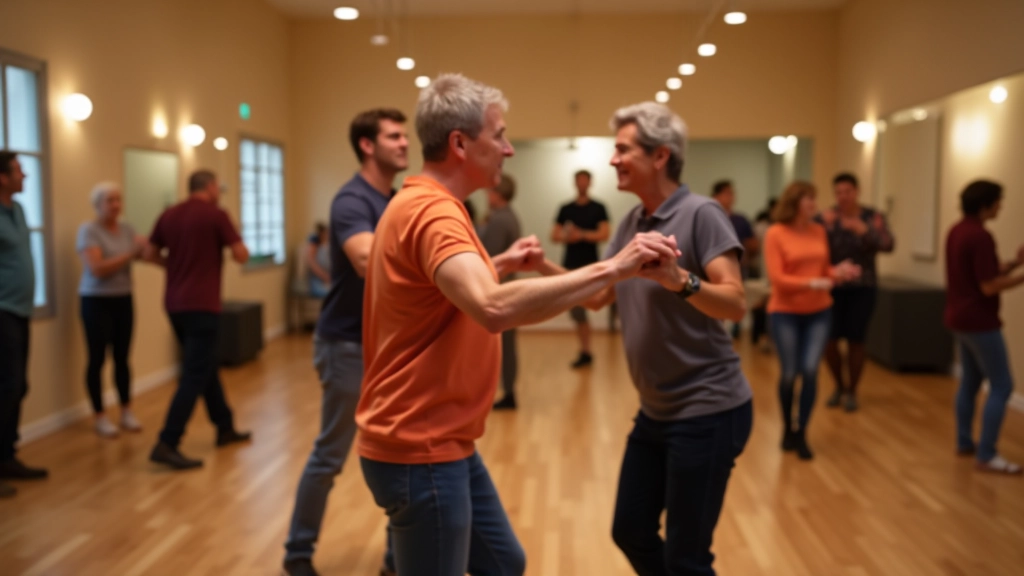
Bachata Basics: The Essential Steps for Beginners
Learn the fundamental movements and rhythm patterns that form the foundation of bachata dancing. Master the basic box step and connect it to the music.

What You'll Learn
Bachata doesn't have to be intimidating. It's a sensual dance with clear, repeatable patterns that anyone can learn. We're breaking down the fundamentals so you'll understand exactly what's happening with your feet, your hips, and how it all connects to the music.
Whether you're stepping into a milonga for the first time or you've been dancing other styles for years, the basic box step is your starting point. Once you've got this down, everything else builds from here.
The Four Counts
Bachata uses a simple 4-count rhythm. Steps 1, 2, 3 are side-to-side movements, then count 4 is a tap or pause. It repeats. That's the foundation.
The Basic Box Step Explained
The basic box step is exactly what it sounds like — your feet trace a small box pattern on the floor. You're not doing anything complicated. The key is that you're moving to the side, then back, creating that box shape with each 4-count cycle.
1
Count 1: Step to the Side
Move your right foot to the right. Your weight transfers to that foot. This is a natural, relaxed movement — no tension in your shoulders.
2
Count 2: Bring It Back
Your left foot comes back to center. You're not crossing your feet. It's a simple side-together movement. Many dancers add a slight hip motion here.
3
Count 3: Step Back
Now you're moving backward with your right foot. You're creating the opposite side of the box. Keep your torso upright and let your hips move naturally.
4
Count 4: Tap or Pause
Your left foot taps in place or you pause slightly. This gives you time to breathe and reset. Then you start the pattern again — left foot leads this time, mirroring the right.
The whole cycle takes about 4 seconds if you're dancing to typical bachata tempo (around 120 beats per minute). Once you've done this pattern 8-10 times, your body starts to remember it automatically.
Connecting With the Music
Bachata music has a distinctive rhythm. There's a guitar line that's easy to follow once you know what to listen for. The four-count pattern we described lines up perfectly with how the music is structured.
When you're dancing, you're not thinking about the beat intellectually. Your feet just follow the rhythm naturally. That's why practicing to the same tempo songs helps — your body gets used to how long each count lasts.
Practice Tip
Start by practicing without music. Get comfortable with the footwork pattern. Then add the music slowly. Most people feel the connection click after 3-4 practice sessions. Don't rush it.
The hips naturally follow the footwork. You're not forcing them to move — they're just responding to where your feet are going. This is one of the beautiful things about bachata. It feels sensual because the movement is organic, not rigid.
Keep Learning
Getting Started With Practice
Here's what beginners find works best: Practice the basic box step 5-10 minutes daily rather than one long session per week. Your muscle memory develops faster with consistent, short practice than sporadic longer sessions.
In your first two weeks, focus purely on the footwork. Don't worry about your upper body, your arms, or looking smooth. Just get your feet comfortable with the pattern. After about 10-15 hours of practice spread over 2-3 weeks, the footwork becomes automatic.
Your First Month Checklist
- Practice basic box step without music (Week 1)
- Practice with slow bachata songs (Week 1-2)
- Try the pattern with a partner at normal tempo (Week 2-3)
- Attend your first group class or social dance (Week 3-4)
Common Beginner Mistakes (And How to Fix Them)
Over-Thinking the Hips
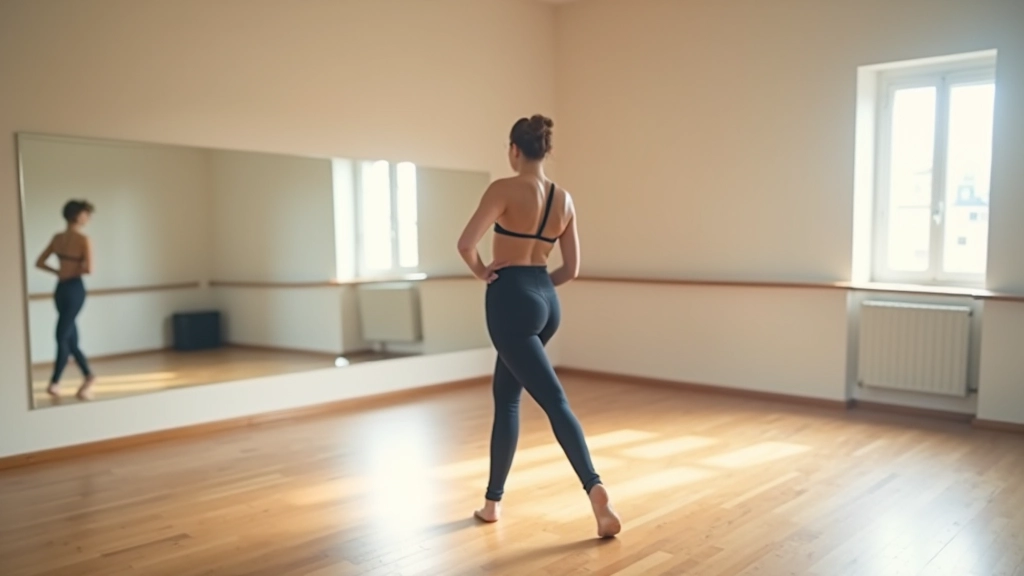
Beginners often try to force hip movement. Stop. Your hips move naturally when your feet move correctly. Focus on the footwork first, and the hips follow automatically.
Moving Too Quickly
Slow is better. Really slow. When you're learning, take twice as long as normal tempo. Your body learns the pattern better at slower speeds. Speed comes naturally after that.
Stiff Upper Body
Relax your shoulders and chest. Tension blocks the natural flow. You're not holding yourself rigid. You're moving with the music. Let your arms hang naturally.
Not Listening to the Music
Don't just follow your partner or the person next to you. Listen to the guitar line. That's your guide. The music tells you exactly when to step and when to pause.
You're Ready to Begin
The basic box step isn't complicated. It's a repeating pattern that your body will remember. Give yourself 2-3 weeks of consistent practice, and you'll have the foundation for everything else in bachata.
Start slowly. Practice without pressure. And remember — every dancer you see at a milonga started exactly where you are now, learning the same basic step. The difference is they kept practicing.
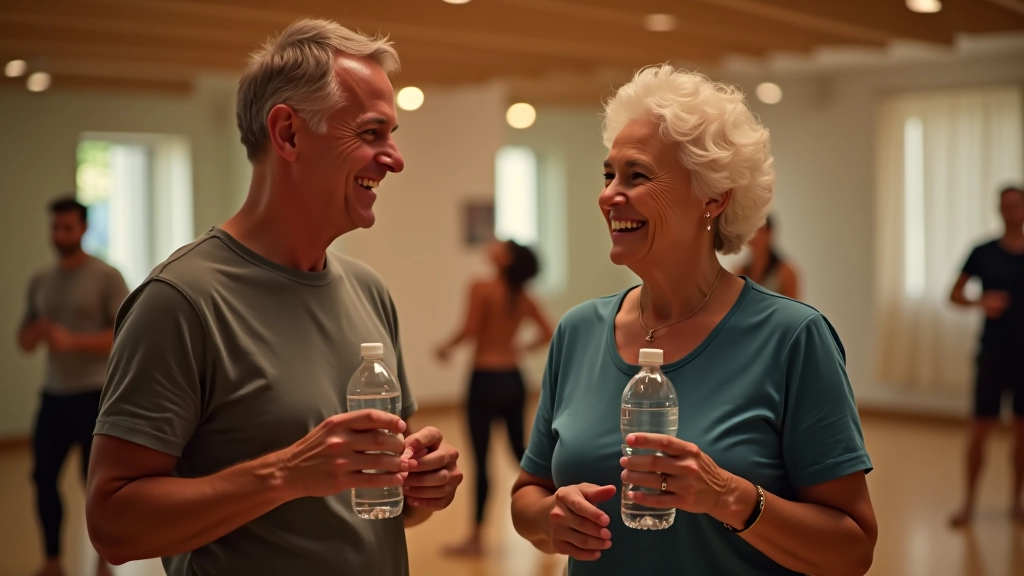
Your next step is finding a group or class where you can practice with others. That's when bachata really comes alive. It's not a solo dance.
Ready to find a dance community in Portugal?
Explore Dance CommunitiesDisclaimer
This article is provided for educational purposes to help beginners understand bachata fundamentals. It's not a substitute for in-person instruction from a qualified dance instructor. Individual experiences vary based on physical ability, prior dance experience, and personal learning pace. If you have any physical limitations or concerns, consult with a healthcare provider before beginning any new physical activity. Dance instruction is best learned with a qualified instructor who can observe your form and provide personalized feedback.