
Building Confidence as an Adult Dancer
Learn how to overcome self-doubt and dance with genuine confidence, no matter where you're starting from.

Why Confidence Matters More Than Technique
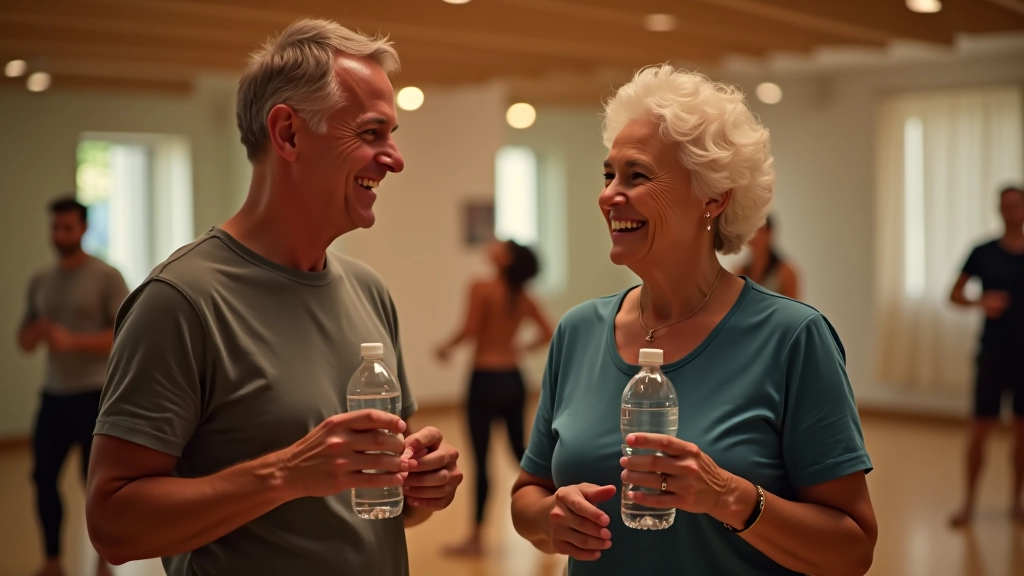
Walking into a dance class as an adult can feel intimidating. You're surrounded by people who've been dancing for years. Everyone seems to know what they're doing. But here's what we've learned from working with hundreds of dancers over 45: confidence isn't something you're born with. It's something you build, step by step.
The truth is, technique matters far less than you think. Sure, you need to learn the steps. But what really separates dancers who enjoy themselves from dancers who quit? It's how they feel about themselves on the floor. We've watched shy, hesitant dancers transform into people who light up during a song. And we've seen technically skilled dancers quit because they couldn't shake the feeling that they didn't belong.
The Three Confidence Blockers (And What Actually Helps)
1. The Comparison Trap
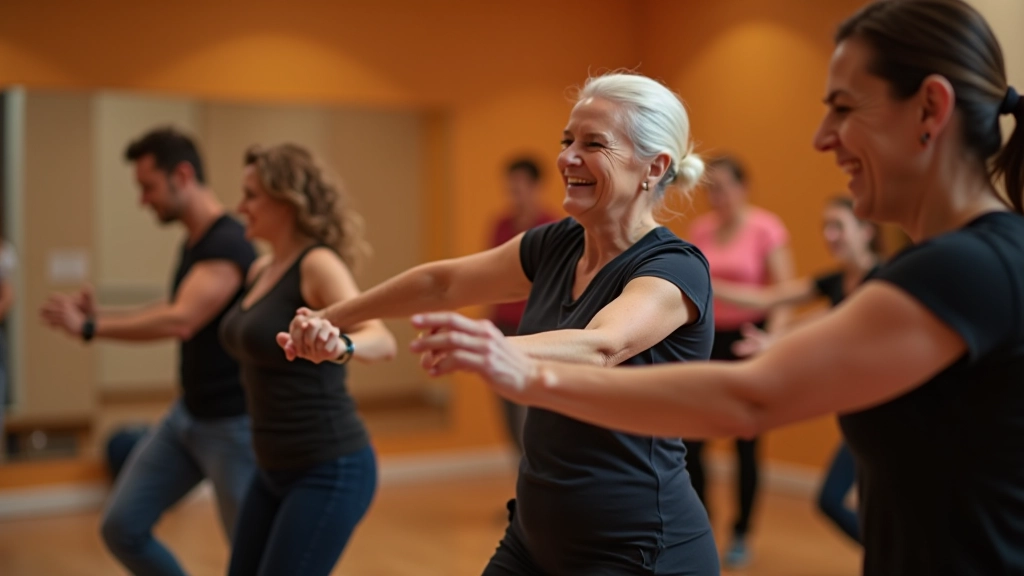
You're watching someone execute a perfect spin. Their posture is flawless. Their rhythm is tight. And you think, "I'll never move like that." Here's what you're missing: that person has probably taken 200+ hours of classes. They didn't start perfect. They started exactly where you are now—uncertain, probably a bit wobbly, wondering if everyone's judging them.
The fix? Stop watching other people. Focus on YOUR progress. Are you spinning better than three weeks ago? Yes? That's a win. The person next to you is on a completely different timeline. Your only competition is the version of yourself from last month.
2. The Fear of Looking Foolish
You're terrified someone will notice you messed up. Your step was wrong. You went the opposite direction. You tripped slightly. Here's what actually happens: nobody notices. And if they do? They don't care. Most people in a dance class are thinking about their own feet, not yours.
The coaches aren't judging. The other dancers aren't judging. The only person judging you is you. Once you realize that mistakes are just part of learning—not evidence that you shouldn't be there—everything shifts.
3. The "I'm Too Old" Story
You've probably told yourself this one. "I'm too old to learn this." "My body can't move like that anymore." "I should've started when I was younger." Stop. We've watched 58-year-olds pick up salsa faster than 28-year-olds. We've seen 62-year-olds develop better rhythm than people half their age. Your age isn't holding you back. Your belief about your age is.
Adults actually have advantages. You're patient. You understand how to practice. You're not trying to impress anyone. You're doing this for yourself. That's powerful.
Five Practical Moves That Build Real Confidence
Show Up Consistently
Confidence isn't built in one class. It's built over weeks. We recommend attending the same class twice a week for at least 4-6 weeks before evaluating how you feel. By week 4, your nervous system starts recognizing the environment. Your body remembers the steps. And suddenly, you're not fighting to remember the basic movement anymore. You can actually focus on enjoying it.
Find Your Community, Not Your Competition
Choose a class or social night where people actually talk to each other. Where beginners feel welcome. We've seen too many people quit because they ended up in the wrong room—somewhere that felt judgmental or cliquey. You need to be around people who remember what it felt like to be new. Usually these are other adults in your age range. Seek them out deliberately.
Celebrate Micro-Wins
You landed your first clean spin? That's huge. You held a conversation with someone new at a social? You did the thing. You stayed for the entire class without wanting to leave halfway through? Victory. Don't wait for some imaginary moment when you're "good enough" to feel proud. Feel proud now. This builds momentum.
Dance With Different Partners
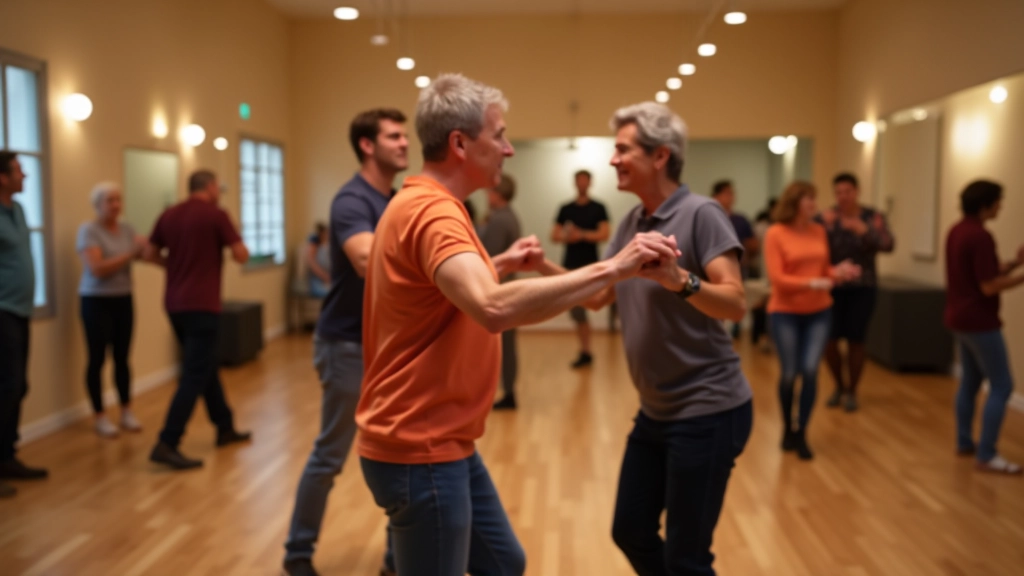
If you're learning partner dances like bachata, dancing with only one person keeps you small. Push yourself to dance with 3-4 different people per social night. Each person leads slightly differently. Each one teaches you something new about responding and adapting. And more importantly: you realize you can handle different styles. You're more flexible than you thought.
Accept That You're Going to Be Bad For a While
This is the secret nobody talks about. You will be awkward. You will forget steps. You will go the wrong direction. You'll step on someone's foot. And this is completely normal. Everyone who's any good at dancing went through this exact phase. It's not a sign you're doing it wrong. It's a sign you're learning. Once you accept that being bad is part of the process—not a reason to quit—everything becomes easier.
Keep Learning

Your Confidence Starts Now
Building confidence as a dancer isn't about becoming perfect. It's about becoming comfortable. It's about walking into a room and thinking, "I'm here to learn and enjoy myself," instead of, "Everyone's judging me." It's about dancing for the pure pleasure of moving, not for external validation.
The dancers we've watched transform most dramatically aren't the naturally talented ones. They're the ones who showed up. Who stayed. Who decided that their own joy mattered more than their fear of judgment. That could be you. Start this week. Pick a class or a social night. Go. Be bad. Make mistakes. And notice how liberating that actually feels.
Your age isn't a barrier. Your past isn't a barrier. The only barrier is deciding you're too afraid to try. And you've already decided you're not, or you wouldn't be reading this. So take that step.
Educational Note
This article provides educational information about building confidence as an adult dancer. It's based on common experiences and best practices within dance communities. Individual results vary depending on personal circumstances, physical condition, and teaching environment. If you have specific health concerns or physical limitations, consult with a healthcare provider or a qualified dance instructor before beginning any new physical activity. Dance should always be enjoyable and conducted at your own pace.