
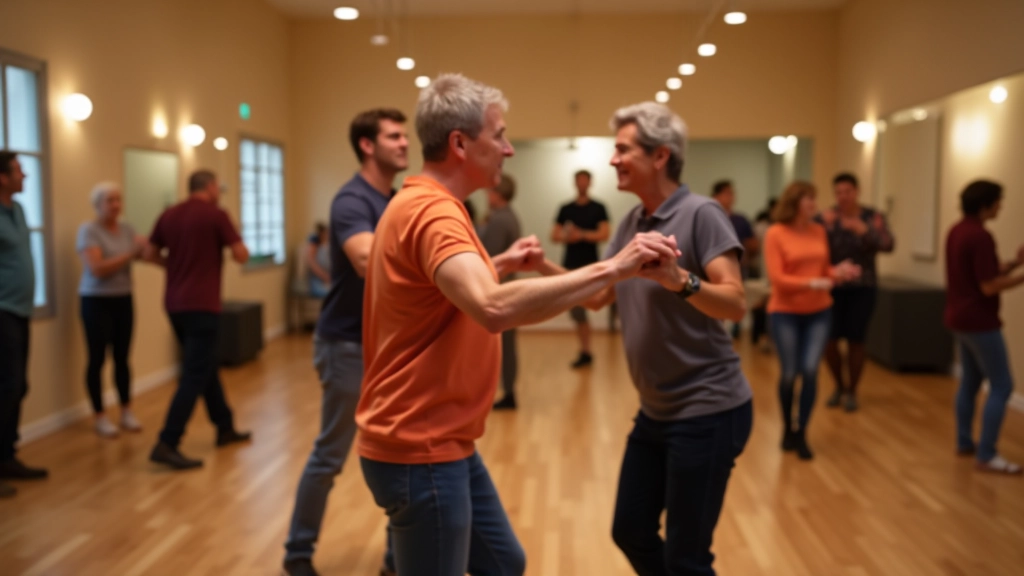
Weekly Milongas and Social Dance Events in Portugal
Comprehensive calendar of regular dance nights across major Portuguese cities. Find events that match your schedule and skill level.
6 min read
All Levels
April 2026


Finding Your Dance Night
Portugal's dance scene has exploded over the past decade, especially for people over 45 who want to experience real Latin dancing. Whether you're in Lisboa, Porto, or somewhere in between, there's likely a milonga happening this week. But finding the right event? That's where things get tricky.
We've mapped out the regular weekly milongas and social dance nights across the country. You'll find everything from beginner-friendly bachata sessions to serious tango circles. Most events happen on Friday and Saturday nights, though Tuesday and Thursday are becoming popular for less crowded, more relaxed dancing.
Quick Facts
- Most venues open 9 PM to midnight
- Beginner sessions typically start earlier (7-8 PM)
- Dress code varies — check before you go
- First visit? Come 15 minutes early
Lisboa: The Dance Capital
Lisboa dominates Portugal's dance calendar. The city hosts 15-20 different milongas and bachata nights every week. The main venues cluster around Bairro Alto and Príncipe Real, making it easy to island-hop between events if you want.
Friday nights are packed. You'll find everything from casual social dances in community centers to more formal venues where dancers dress up. The crowd skews mixed ages — lots of over-45 dancers who've been going for years. Tuesday is your secret weapon if you prefer smaller groups and more personal attention from instructors.
Most beginner bachata sessions run 7-8:30 PM with free-dancing afterward. If you're nervous, arrive during the lesson part. That's when people aren't evaluating your skills yet. By the time the DJ takes over, you're already warmed up and connected with the group.

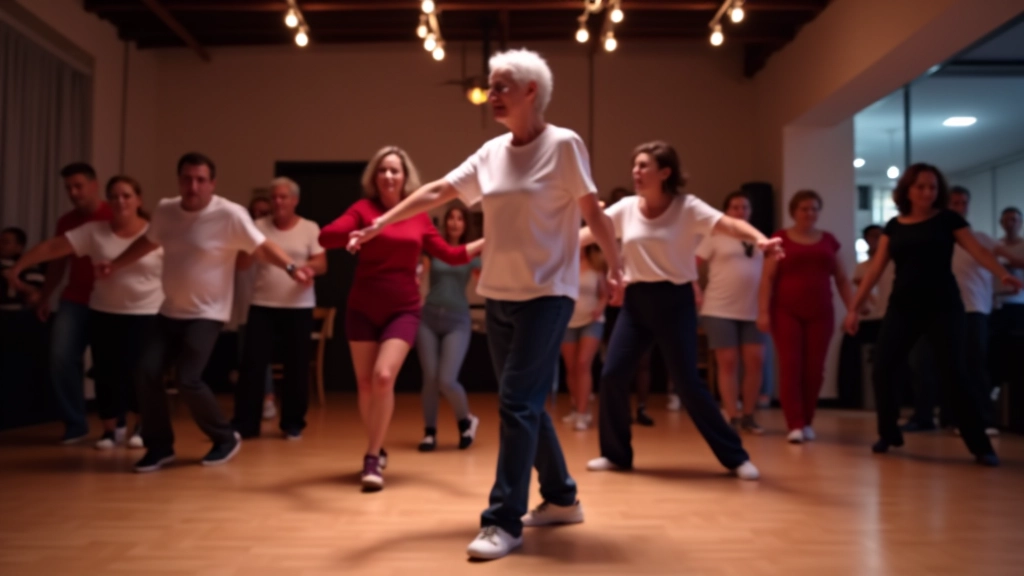
Porto and Northern Events
Porto's scene is smaller than Lisboa but it's growing. You'll find 4-6 regular events per week, mostly concentrated on weekends. The vibe is slightly more laid-back — fewer tourists, more locals who actually know each other.
What Porto lacks in quantity it makes up for in quality. The instructors here tend to have deeper backgrounds in authentic salsa and tango traditions. If you're serious about learning proper technique, Porto's Wednesday night classes are worth the drive from anywhere in the north.
The city also has a strong tango community. Don't sleep on that if you're interested in Argentine tango. Saturday afternoons there's often a milonga starting at 5 PM — perfect if you don't want a late night.
Keep Learning
Explore more resources about dance communities and techniques

Bachata Basics: The Essential Steps for Beginners
Learn the fundamental bachata steps and rhythm patterns. Breaks down the basic eight-count movements in clear progression.
Read More
Building Confidence as an Adult Dancer
Practical advice for overcoming self-doubt and building dancing confidence. Features real strategies that work for older beginners.
Read MoreWhat to Expect at Your First Event
Walking into your first milonga is intimidating. You don't know the unwritten rules. You're not sure what to wear. Everyone else seems to know each other. That's completely normal. Here's what actually happens.
Most venues have a structure. There's usually a 30-minute beginner lesson from 7-7:30 PM. Instructors teach the basic steps and music timing. Then at 7:30 or 8 PM, the social dancing starts. People break into their usual groups, but newcomers are almost always welcomed. Don't sit on the sidelines. Ask someone to dance. Worst case they say they're taking a break. More likely you'll have a fun 3-4 minute dance.
The social dancing isn't competitive. People rotate partners constantly. You're not being judged. You're just part of the flow. If you make mistakes, your partner adjusts. That's how partner dancing works.
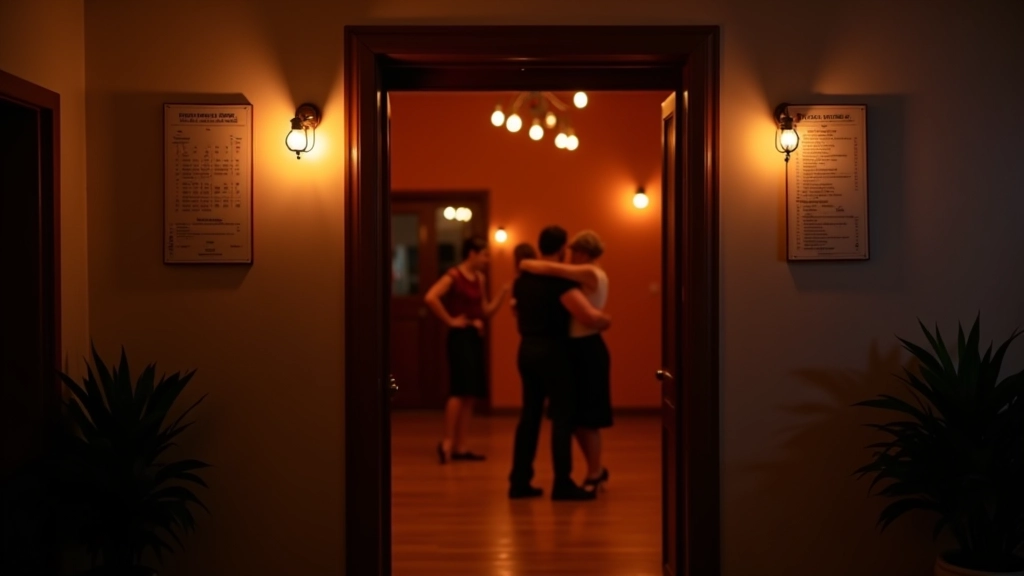
Your First Week Plan
Here's how to get started without overwhelming yourself
1
Pick One Night
Choose Tuesday or Wednesday for your first time. Less crowded. You'll actually get attention from instructors.
2
Arrive Early
Show up 15 minutes before the beginner lesson starts. Grab water. Chat with someone near you. Nerves disappear when you're occupied.
3
Stay for the Full Hour
Lesson plus three social dances. That's enough to get comfortable without exhausting yourself. You can always stay longer next week.
4
Go Again Next Week
Consistency matters more than intensity. One night a week for a month beats three nights once. You'll build rhythm and confidence naturally.
The Best Days and Times
Timing matters. Tuesday and Wednesday nights tend to be beginner-focused with structured classes. You'll get more instruction and less pressure to already know the moves. Friday and Saturday nights are busier and more social — better if you've got at least a few sessions under your belt.
Sunday afternoons are underrated. Several venues run 4-6 PM sessions. The crowd is smaller and the energy is relaxed. People are there to dance, not to be seen. Perfect if you're just getting started and want genuine connection without the nightclub atmosphere.
Avoid major holidays. Most venues close or run special themed events. Stick to regular weeks when you're building your routine. Special events are great once you know the basics and the community.
Your Dance Calendar Starts Now
Portugal's milonga scene is welcoming and real. You won't be the oldest person there — not by a long shot. You won't be the least experienced. And you won't be the only one who's nervous.
The people who've been dancing for years? They remember their first night too. They'll help you. They'll dance with you. They'll make you feel like you belong. That's what community looks like.
Pick a night. Show up. Move your feet. The rest will follow.
About This Article
This article provides educational information about dance events and communities in Portugal. Event schedules, venues, and times change regularly. Before attending any event, we recommend confirming details directly with the venue or organization. This information is meant to help you discover dance communities and understand what to expect — not as a complete or definitive guide to every milonga in Portugal. Always check venue websites or social media for current schedules and any specific requirements.